MIG and TIG are the two processes most welders eventually own machines for, and they cover overlapping but genuinely different work. This is the head-to-head we get asked for most — what each process is actually good at, where each one falls short, and which one to learn first if you're starting from zero.
Side-by-Side Comparison
Speed: MIG wins decisively. Continuous wire feed means you can lay down inches of bead per minute on production work. TIG is hand-fed filler rod into a controlled puddle — beautiful, but several times slower for the same length of weld.
Learning curve: MIG is approachable. Most first-time welders can produce sound welds inside a day or two. TIG requires hand-eye-foot coordination (torch in one hand, filler rod in the other, foot pedal modulating amperage) and most welders take weeks or months to develop the technique. The good news: TIG skills transfer back to MIG and stick, while MIG skills don't fully prepare you for TIG.
Materials: MIG runs steel beautifully, stainless competently, and aluminum with the right setup (spool gun, pure argon, push-pull cable). TIG handles all of those plus titanium, magnesium, copper alloys, and exotic stainless grades at a level MIG simply can't reach.
Finish quality: TIG wins on appearance and inspection-grade joints. The puddle is fully controlled, there's no spatter, and the bead can be 'walked' across the joint with the deliberate stack-of-dimes pattern that fabrication and exhibition work demand. MIG is fine for production fab where the weld is going to be ground and painted, but it doesn't compete on cosmetic or exposed welds.
When To Pick MIG
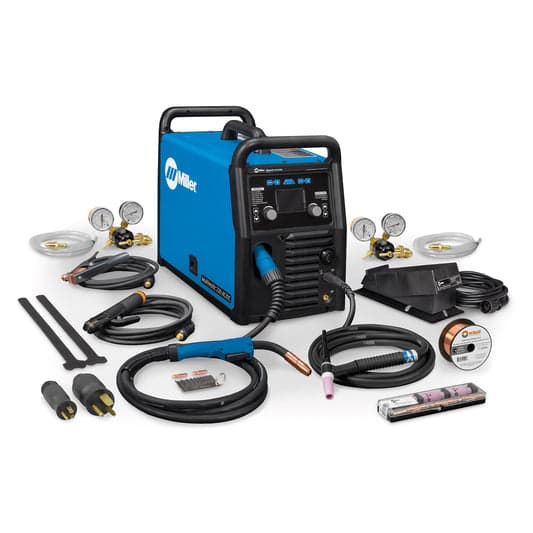
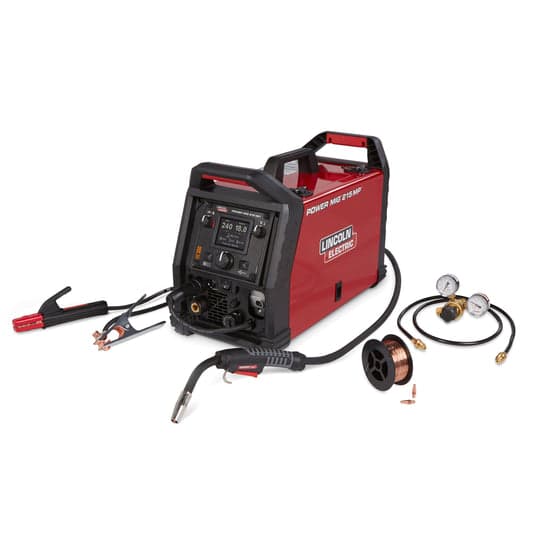
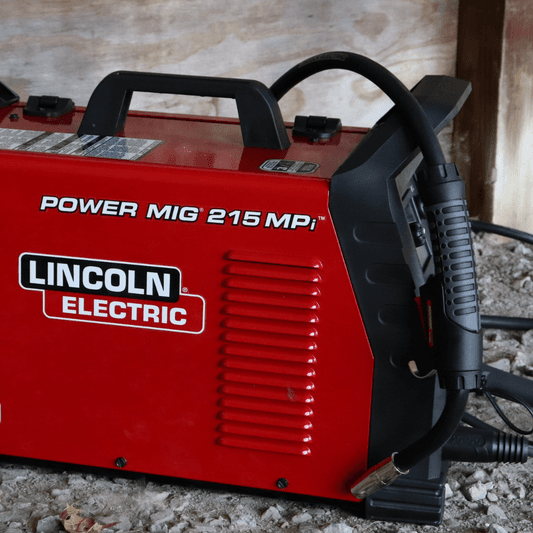
Production fab where speed is the bottom line. Auto-body and collision work where most welds are hidden. Sheet-metal projects. Beginner-friendly home and farm work. Anywhere you need fast, productive welding on mild steel of any thickness, MIG is the right answer. The Miller Multimatic 220 AC/DC, Lincoln POWER MIG 215 MPi, and ESAB Rebel EMP 215ic all run MIG beautifully — and all three can do TIG too when the rare TIG job shows up.
When To Pick TIG
Anything where the weld will be visible — railings, custom furniture, motorcycle and racing fab, architectural metalwork. Stainless food-equipment welding where the finish has to be inspection-grade. Aluminum work, especially marine (where AC TIG with adjustable balance and frequency does what MIG aluminum can't). Anywhere you need to lay down a controlled bead on a joint that someone is going to look at — TIG is the right tool. The Lincoln Square Wave TIG 200 and Miller Diversion 180 are popular standalone TIG picks; the Multimatic 220 AC/DC has full AC/DC TIG built into a multiprocess cabinet.